Key Research
Theme Institutes
Introduction of Key Research
Theme Institutes
Overall Project A
Low-Power, High-Efficiency Energy Materials and Device Research
Overall Project A (Research on Low-Power High-Efficiency Energy Materials and Devices)
Implementing Eco-Friendly Sustainable Material Energy Through Development of Low-Power / High-Efficiency Energy Utilization Technology
Research Project Name Research on Low-Power High-Efficiency Energy Materials and Devices
Overall Director
Geol.Moon / LAMP Full-Time Faculty
Research Field (Sub-Field) Optics / Atomic and Molecular Physics [Spectroscopy (Optics / Atomic and Molecular Physics)]
Research Objective Development of Low-Power High-Efficiency Energy Materials and Devices Through Study of Quantum Material Properties
Research Content
Creativity of Research Content Implementing Eco-Friendly Sustainable Material · Energy Through Development of Low-Power / High-Efficiency Energy Utilization Technology
Major Research Contents of Overall Project
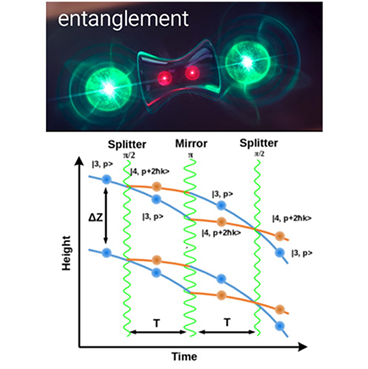
· Development of Low-Power Quantum Sensor Technology with High Spatial Resolution and Ultra-Precise Sensitivity
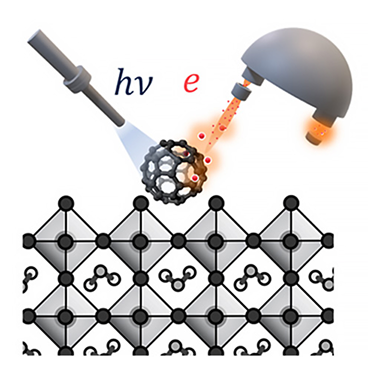
· Research on Energy Material Development of Light Absorption Layer Suitable for Tandem Solar Cells for High-Efficiency Light Collection
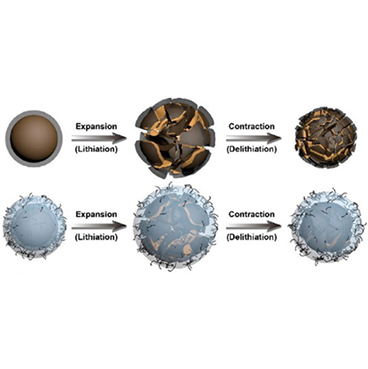
· Research on Energy Storage Material Development for Secondary Batteries Capable of High Energy and High Power
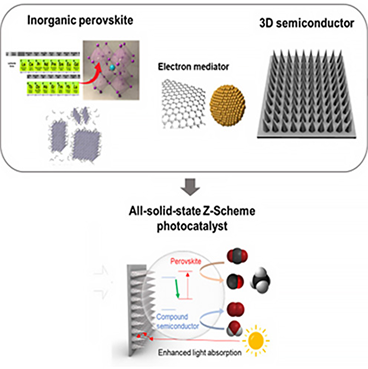
· Research on Synthesis and Property Control of Lead-Free Photocatalysts Using Inorganic Perovskite Nanostructure Control and Photochemical Reaction
Detailed Research Content by Specific Research Project
A-1
Low-Power Quantum Sensor Research Securing fundamental technologies required for developing ultra-precise quantum measurement sensors capable of low power consumption and miniaturization
A-2
Energy Material Research Suitable
for Tandem Solar Cells
Research on materials suitable for high-efficiency tandem solar cells and the physical properties of tandem solar cells
A-3
Energy Material Development Research
for High Energy Density Secondary Batteries
Development of materials for high energy and high power secondary batteries and elucidation of physical mechanisms through nano-composite electrode material design
A-4
High-Efficiency Photochemical Conversion
Device Development Research
Development of nano-heterojunction materials/device technology for high-efficiency reduction reactions using photochemical energy
Expected Effects
01 Contributing to the prevention of global warming and fossil fuel depletion by acquiring energy utilization technology through the development of low-power/miniaturized quantum sensors and securing low-power quantum technology to reduce energy consumption.
02 Contributing to national competitiveness in the solar energy and material industry sectors and enhancing economic value through energy independence by conducting fundamental property research on semiconductor materials in tandem solar cells.
03 Contributing to increased domestic sales and enhancing national competitiveness in the energy storage device and battery market sectors through market preemption.
04 Establishing a foundation for the groundbreaking development of semiconductor-based photocatalytic technology through experiments and considerations on optical, electrical, and chemical properties, and fostering outstanding researchers in related fields.