Key Research
Theme Institutes
Introduction of Key Research
Theme Institutes
Overall Project B
Research on Changes in High-Efficiency Renewable Energy
Overall Project B (Research on High-Efficiency Renewable Energy Conversion)
Development of new materials and methodologies for high-efficiency conversion of renewable natural energy sources, such as solar, wind, and hydropower, into future human energy (fuel, electricity).
Research Project Name Research on High-Efficiency Renewable Energy Conversion
Overall Director
JeongSook.Seo / LAMP Full-Time Faculty
Research Field (Sub-Field) Electrochemistry (Photoelectrochemistry)
Research Objective
To develop new materials and methodologies that can efficiently convert renewable natural energy sources, such as solar, wind, and hydropower, into future human energy (chemical fuels, electrical energy, etc.).
· Design of new renewable energy conversion materials based on physical/organic/inorganic/biochemical materials.
· Presentation of new materials and methodologies efficient for renewable energy conversion through numerical calculations/simulations.
Research Content
Creativity of Research Content This project is highly creative as it presents new material designs and methodologies that do not exist in the past to increase energy conversion efficiency, and can be said to be challenging as it requires interdisciplinary new approaches by eliminating boundaries between disciplines through field-specific convergence collaborative research.
Major Research Content Description of Overall Project
· Collaboration on separation technology through determination and quantitative analysis of products from solar photolysis reactions, and collaboration on electrochemical/physical chemical analysis and theoretical simulation for reaction mechanism analysis.
· Physical/chemical joint research on piezoelectric principles, and joint research on artificial intelligence methodologies with big data convergence departments.
· Organic synthesis-biochemistry field collaboration on biomimicry technology and biomimetic material synthesis, and energy analysis-measurement collaboration related to renewable energy production.
· Collaboration on developing new materials and methodologies that convert renewable energy and applied research on converting into future energy.
Detailed Research Content by Specific Research Project
B-1
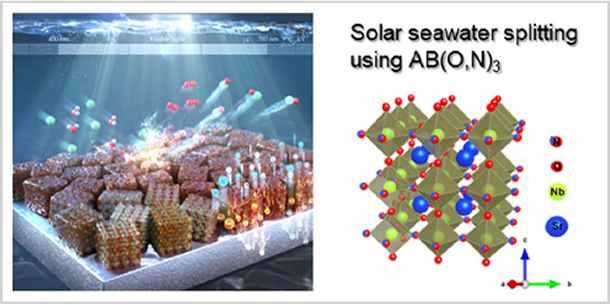
Study on High-Activity and Mechanism of Solar Seawater Splitting Enhancing the activity and stability of the solar seawater splitting system through synthesis design and surface modification of perovskite metal oxynitride for green hydrogen production
B-2
Study on Improving Harvesting Efficiency of Renewable Energy
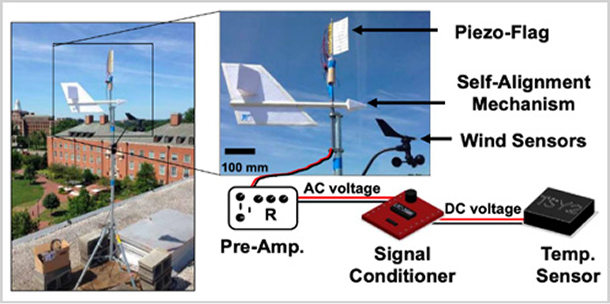
In order to increase the harvesting efficiency of eco-friendly and renewable energy, mathematical exploration of energy conversion mechanisms based on displacement or deformation through fluid-structure interaction simulation assistance for the development of next-generation high-efficiency systems
B-3
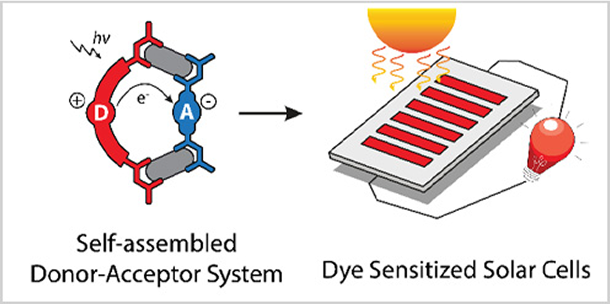
Rational Assembly Research of Coordination Bond-Based Supramolecules for Light Harvesting Set-up metal-mediated self-assembly strategies to combine electron donors and acceptors for light-harvesting, charge separation and, dye-sensitized solar cells.
B-4
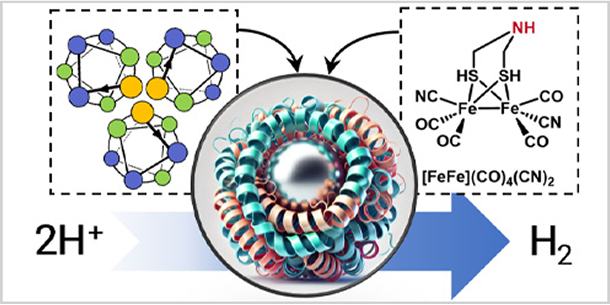
Research on Renewable Energy Production Utilizing Biomimicry Technology Presenting a system that produces renewable energy with high efficiency by utilizing biomimicry technology and biomimetic materials
B-5
Electrochemical Denitrification and Green Hydrogen Production via Seawater Electrolysis Simultaneous achievement of over 95% chlorine generation efficiency, over 90% total nitrogen (T-N) removal rate, and over 90% hydrogen generation efficiency using simulated seawater and reactive high-nitrogen wastewater.
Expected Effects
01 It is possible to secure source technologies for renewable energy conversion materials and methodologies
02 International journal publications and related patents can beregistered as a result of new material and methodology development
03 Since prediction is possible through numerical experiments prior to material development, it helps to reduce budget and secure new energy sources
04 It is expected that the industrial transition effect to the future energy system will be significant along with economic benefits due to the reduction of production cost as well as the optimization of the device.