Key Research
Theme Institutes
Introduction of Key Research
Theme Institutes
Overall Project D
Convergence Research on Eco-friendly Materials and Energy Systems for Carbon Neutrality
Overall Project D (Convergence Research on Eco-friendly Materials and Energy Systems for Carbon Neutrality)
Development of specialized carbon-neutral technologies that leverage Earth's environmental and biological characteristics to reduce environmental impact across the entire energy production, storage, and circulation process
Research Project Name Convergence Research on Eco-friendly Materials and Energy Systems for Carbon Neutrality
Overall Director
Jang I-rang / LAMP Professor
Research Field (Sub-Field) Earth / Geology (Structural Geology)
Research Objective Conduct material-energy convergence research related to the production, storage, and circulation of eco-friendly energy to prepare for a sustainable future society through the realization of carbon neutrality
Research Content
Creativity of Research Content We aim to conduct convergence research to develop specialized technologies that can mitigate environmental impact throughout the entire process of energy production-storage-circulation by attempting an environmentally friendly approach utilizing global environmental and species characteristics in the development of carbon-neutral technologies
Major Research Content Description of Overall Project
· Identification of unique geological environmental characteristics of the Korean Peninsula and elucidation of crustal evolution history to respond to long-term global environmental changes.
· Evaluation of the contribution of carbon neutrality to the characteristics of climate change-sensitive salt marshes and marine environments.
· Development of low-carbon eco-friendly energy (hydrogen, etc.) production technology utilizing biological characteristics.
· Identification of strategic mineral development potential, which is essential for conversion to eco-friendly energy.
· Development of eco-friendly carbon capture technology utilizing biological species.
· Securing geological evaluation technology for the domestic deep environment for underground carbon storage.
Detailed Research Content by Specific Research Project
D-1
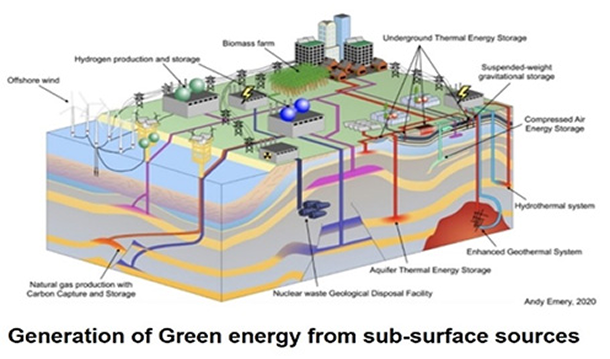
Research on exploration systems of underground geological structures for carbon neutrality achievement Development of underground geological exploration technologies tailored to the unique geological features of the Korean Peninsula, along with research on establishing effective geological assessment techniques for the deep subsurface environment
D-2
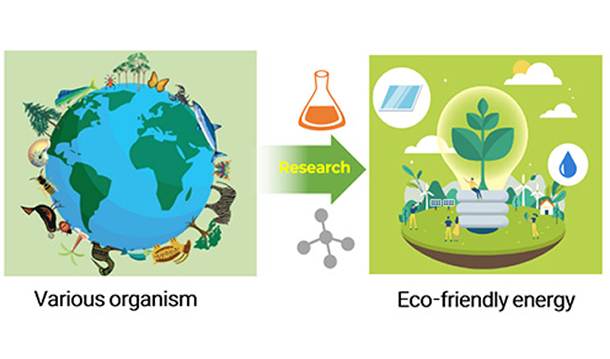
Research on eco-friendly energy by using various organisms Research on the eco-friendly energy production using the properties from various living organisms
D-3
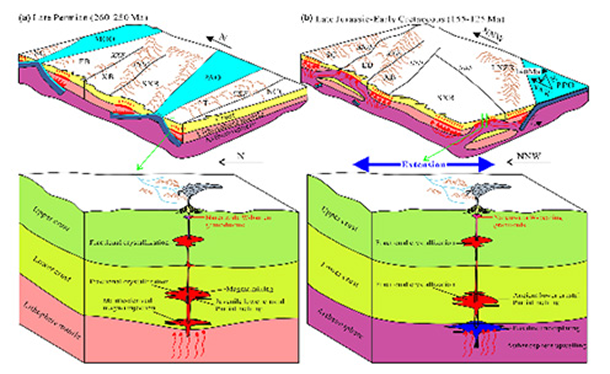
Research on examining the metallogenic potential from the basement rocks for the conversion of clean energy Research on the petrogenesis of igneous and metamorphic rocks in South Korea and their metallogenic potential
D-4
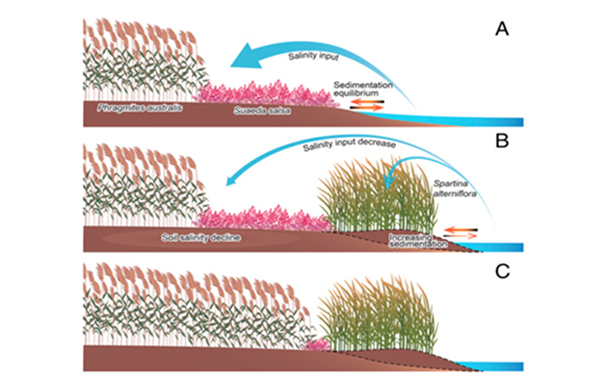
Research on current flow disturbance and sediment particle trapping in salt marshes for climate change adaptation Identifying the effects of biophysical disturbance on intertidal sediment behavior
D-5
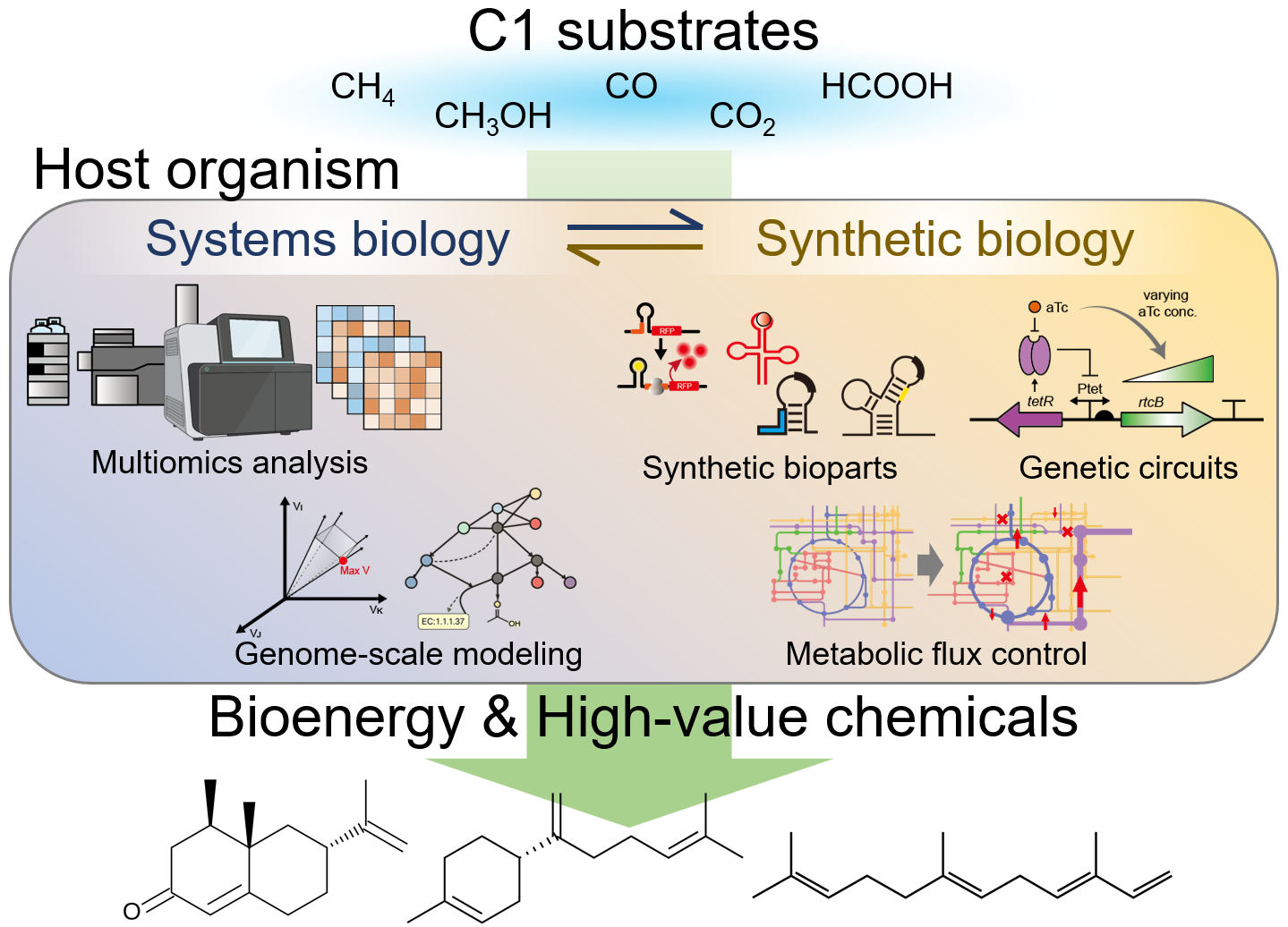
Construction of a Microbial Platform for Sesquiterpene-Based Sustainable Bioenergy from C1 Feedstocks through Multi-Omics Convergence This study aims to establish a cell factory utilizing C1 substrates to produce high-density bioenergy and to present a carbon-neutral alternative energy production strategy.
Expected Effects
01
Expected Effects of Research and Development
· Contribute to securing core technologies for eco-friendly material and energy convergence in the carbon neutrality sector, generating high academic/practical added value.
· Economic effects resulting from identifying domestic occurrence potential of core strategic minerals and eco-friendly energy resources.
· Solving climate change-related environmental problems through the development of eco-friendly carbon capture and storage technologies.
· Providing scientific foundation data to support the establishment of regulations, laws, and policies related to carbon neutrality.
· Fostering world-class basic science manpower in the field of carbon neutrality through close collaborative research among LAMP postdoctoral researchers and student researchers